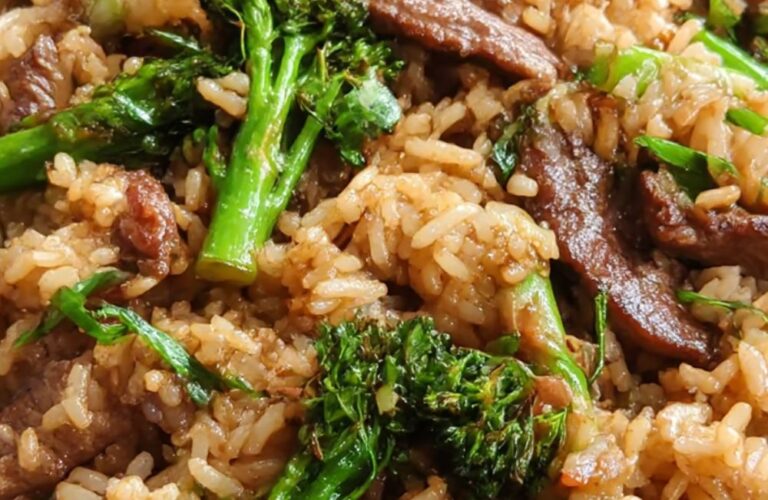
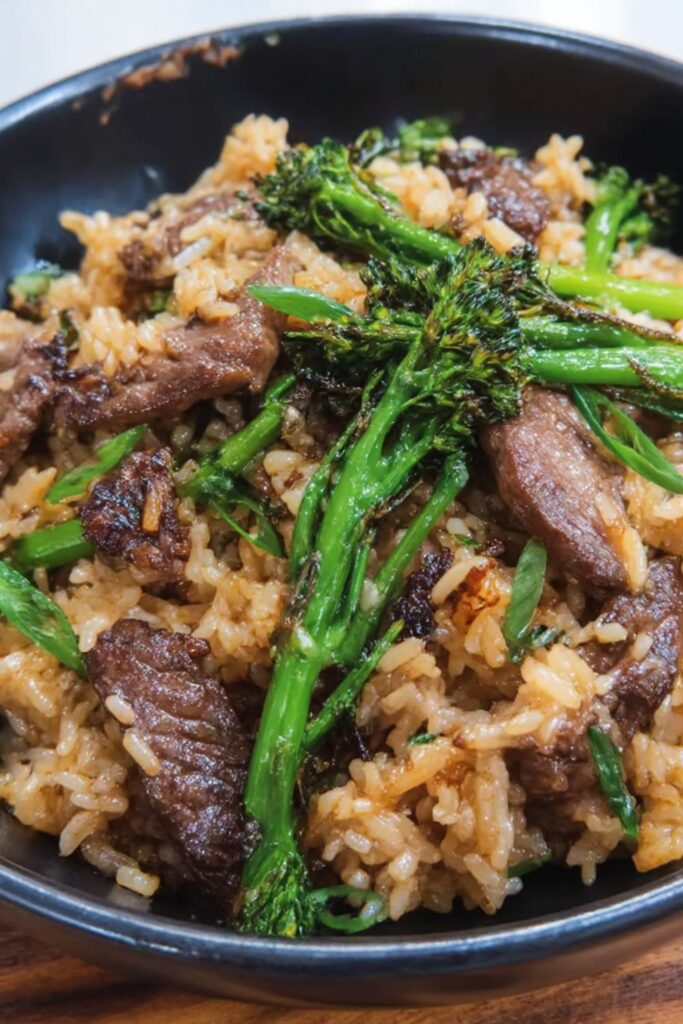
This Trader Joe’s Beefless Bulgogi Fried Rice is a savory and slightly sweet recipe, which is the perfect quick and easy way to transform the popular plant-based product into a satisfying one-pan meal. It’s a fantastic weeknight dinner, ready in about 20 minutes.
Jump to RecipeTrader Joe’s Beefless Bulgogi Fried Rice Ingredients
For the Fried Rice:
- 1 pack Trader Joe’s Beefless Bulgogi
- 1 Cup cold, cooked rice (day-old rice is best)
- 1 tbsp Sesame oil
- Optional Veggies: broccoli, carrots, mushrooms, etc.
- Optional: 1 clove garlic, minced
For the Sauce:
- 1.5 tbsp Soy sauce, plus more to taste
- 1.5 tbsp honey or maple syrup
- 1 tsp Gochujang (Korean chili paste)
For Garnish (Optional):
- Toasted sesame seeds
- Sliced green onions
- A fried egg
How To Make Trader Joe’s Beefless Bulgogi Fried Rice
- Cook the Bulgogi and Make the Sauce: Cook the frozen beefless bulgogi according to the package directions (either in an air fryer or microwave). While it’s cooking, whisk together the gochujang, soy sauce, and honey in a small bowl to create the sauce.
- Sear the Bulgogi: Heat the sesame oil in a wok or a large skillet over high heat. Add the cooked bulgogi and fry for 2-3 minutes until it gets slightly crispy at the edges.
- (Optional) Sauté the Vegetables: If you are using vegetables, remove the bulgogi from the wok and set it aside. In the same wok, stir-fry your chosen vegetables (and optional garlic) until they are crisp-tender. Add the bulgogi back to the wok.
- Add Rice and Combine: Add the day-old rice to the hot wok. Use a spatula to break up any clumps and stir-fry for a minute or two until the rice is heated through.
- Add Sauce and Serve: Pour the prepared sauce over the rice and bulgogi. Toss and mix everything together on high heat for 2 more minutes until the rice is evenly coated. Taste and add more soy sauce if needed. Serve immediately, topped with optional garnishes.
Recipe Tips
- Why use day-old rice? This is the most important secret to great fried rice! Day-old, refrigerated rice is drier and firmer, which allows the grains to separate and fry properly. Fresh, warm rice contains too much moisture and will steam, resulting in a mushy texture.
- How to get the best flavor? High heat is key. Using a wok or a large skillet over high heat gives the rice and bulgogi that signature, slightly smoky “wok hei” flavor and prevents the ingredients from steaming.
- Can I make this ahead of time? This dish is best eaten fresh, but leftovers are still delicious. The texture will be best if you reheat it in a hot skillet with a little oil.
- How do I customize this dish? This is a fantastic base recipe. Feel free to add any quick-cooking vegetables you have on hand. For a more substantial meal, topping the finished fried rice with a crispy fried egg is a classic and delicious addition.
What To Serve With Beefless Bulgogi Fried Rice
This is a hearty, all-in-one meal that is incredibly satisfying on its own. For a more complete Korean-inspired meal, it pairs wonderfully with simple side dishes (banchan) like:
- Kimchi
- A quick-pickled cucumber salad
- Steamed or sautéed bok choy
How To Store Beefless Bulgogi Fried Rice
- Refrigerate: Store leftovers in an airtight container in the refrigerator for up to 3 days.
- Reheat: For the best results, reheat the fried rice in a hot skillet or wok over medium-high heat with a tiny splash of oil. You can also reheat it in the microwave.
Beefless Bulgogi Fried Rice Nutrition Facts
- Serving: 1 serving (half of the recipe)
- Calories: 384kcal
- Carbohydrates: 32g
- Protein: 39g
- Fat: 13g
Nutrition information is estimated and may vary based on ingredients and cooking methods used.
FAQs
Bulgogi is a classic Korean dish of thinly sliced, marinated beef that is grilled or stir-fried. Trader Joe’s “Beefless Bulgogi” is a popular plant-based version made from soy protein that mimics the sweet and savory flavor profile of the original.
The spice level comes from the gochujang. As written, with only 1 teaspoon, this dish is very mild and more savory/sweet than spicy. You can easily increase the amount of gochujang to your taste for a spicier dish.
Yes, but for the best fried rice texture, a medium-grain white rice like Jasmine or Calrose is ideal. Brown rice can also be used, but it has a chewier texture. The most important factor is that the rice is cooked and completely cooled.
Try More Recipes:
- Trader Joe’s Style Stuffed Artichoke Bottoms Recipe
- Trader Joe’s Acai Bowl Recipe
- Trader Joe’s Jumeokbap (Korean Rice Balls) Recipe
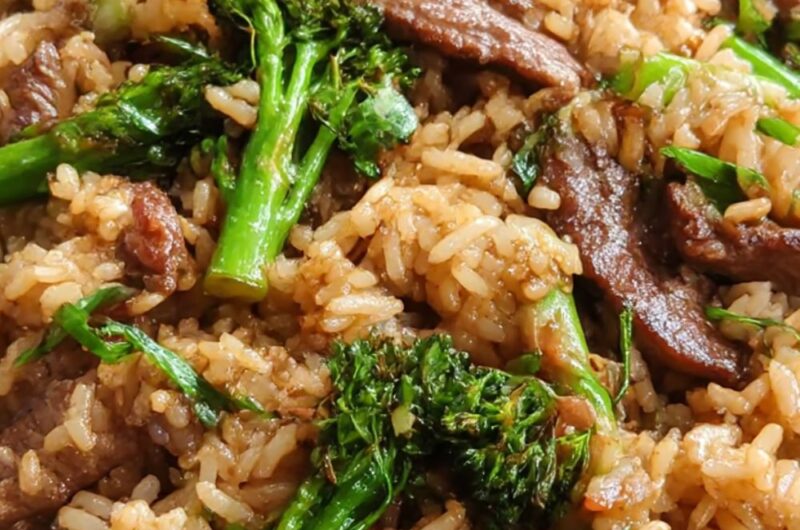
Trader Joe’s Beefless Bulgogi Fried Rice Recipe
Course: DinnerCuisine: AmericanDifficulty: Easy2
servings10
minutes15
minutes384
kcalA quick and easy one-pan meal that transforms Trader Joe’s popular Beefless Bulgogi into a delicious and satisfying fried rice with a sweet and savory gochujang sauce.
Ingredients
1 pack Trader Joe’s Beefless Bulgogi
1 Cup cold, cooked rice
1 tbsp Sesame oil
Sauce: 1.5 tbsp Soy sauce, 1.5 tbsp honey (or maple syrup), 1 tsp Gochujang.
Optional: Your favorite stir-fry veggies (broccoli, carrots, etc.).
Directions
- Cook the beefless bulgogi according to the package directions. Whisk the sauce ingredients together.
- Heat sesame oil in a wok or large skillet over high heat. Add the cooked bulgogi and stir-fry for 2-3 minutes until crispy.
- (Optional) Sauté any additional vegetables in the wok.
- Add the cold, day-old rice and stir-fry on high heat, breaking up any clumps.
- Pour the sauce over everything and toss on high heat for 2 more minutes until the rice is evenly coated. Serve immediately.
Notes
- Use Day-Old Rice: The most important tip for great fried rice is to use cold, dry, leftover rice. This is the non-negotiable secret to a perfect, non-mushy texture.
- High Heat is Key: For that signature stir-fry flavor, make sure your wok or skillet is very hot before you add the rice and sauce.
- Don’t Overcrowd the Pan: If you are adding a lot of vegetables, cook them in batches to ensure they stir-fry and get tender-crisp, rather than steam.
- Customize It: This recipe is a perfect template. Feel free to add more vegetables, top it with a fried egg, or add more gochujang for a spicier kick.